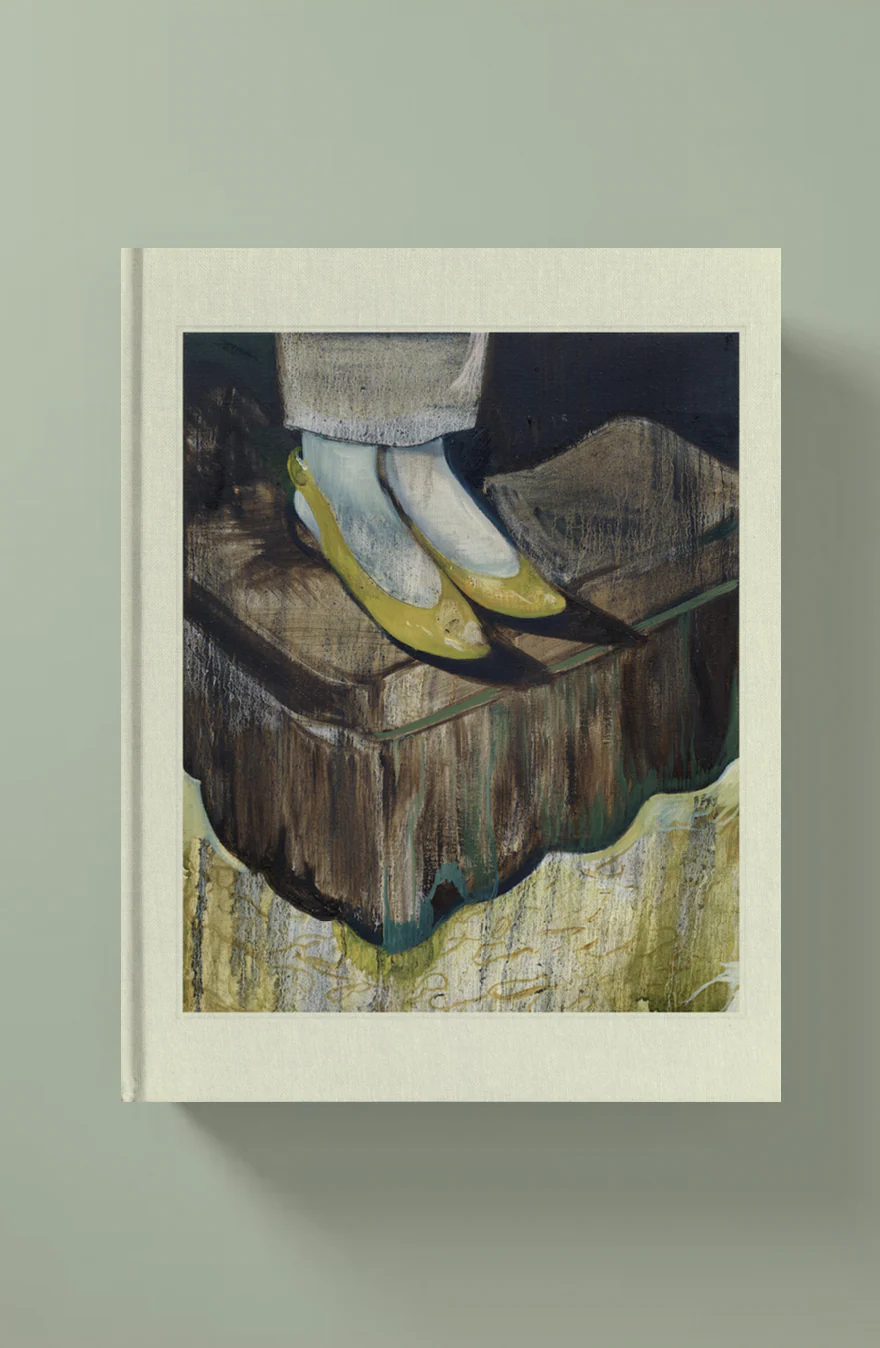
CRD BOOK | PENELOPE'S WEB, 2006
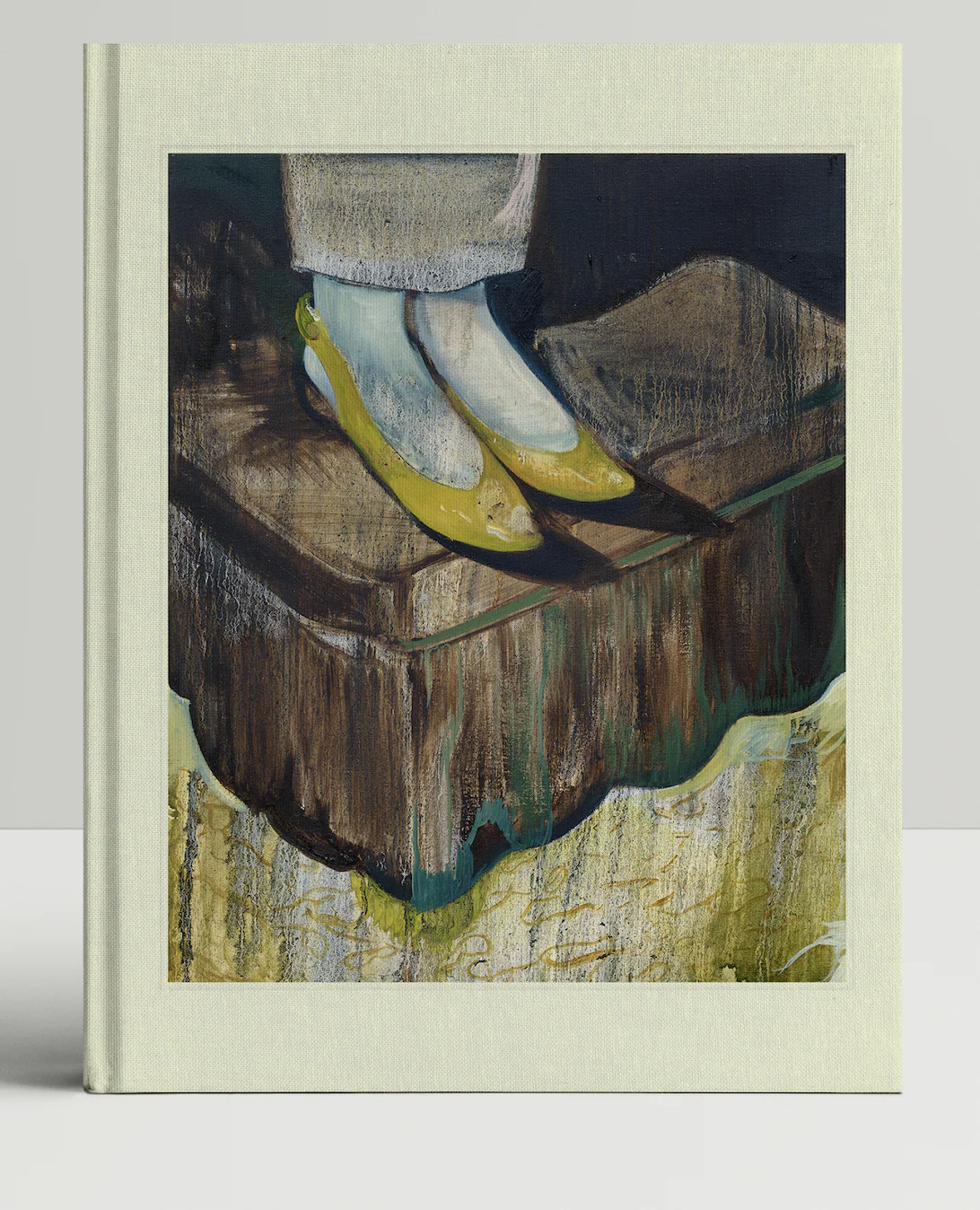
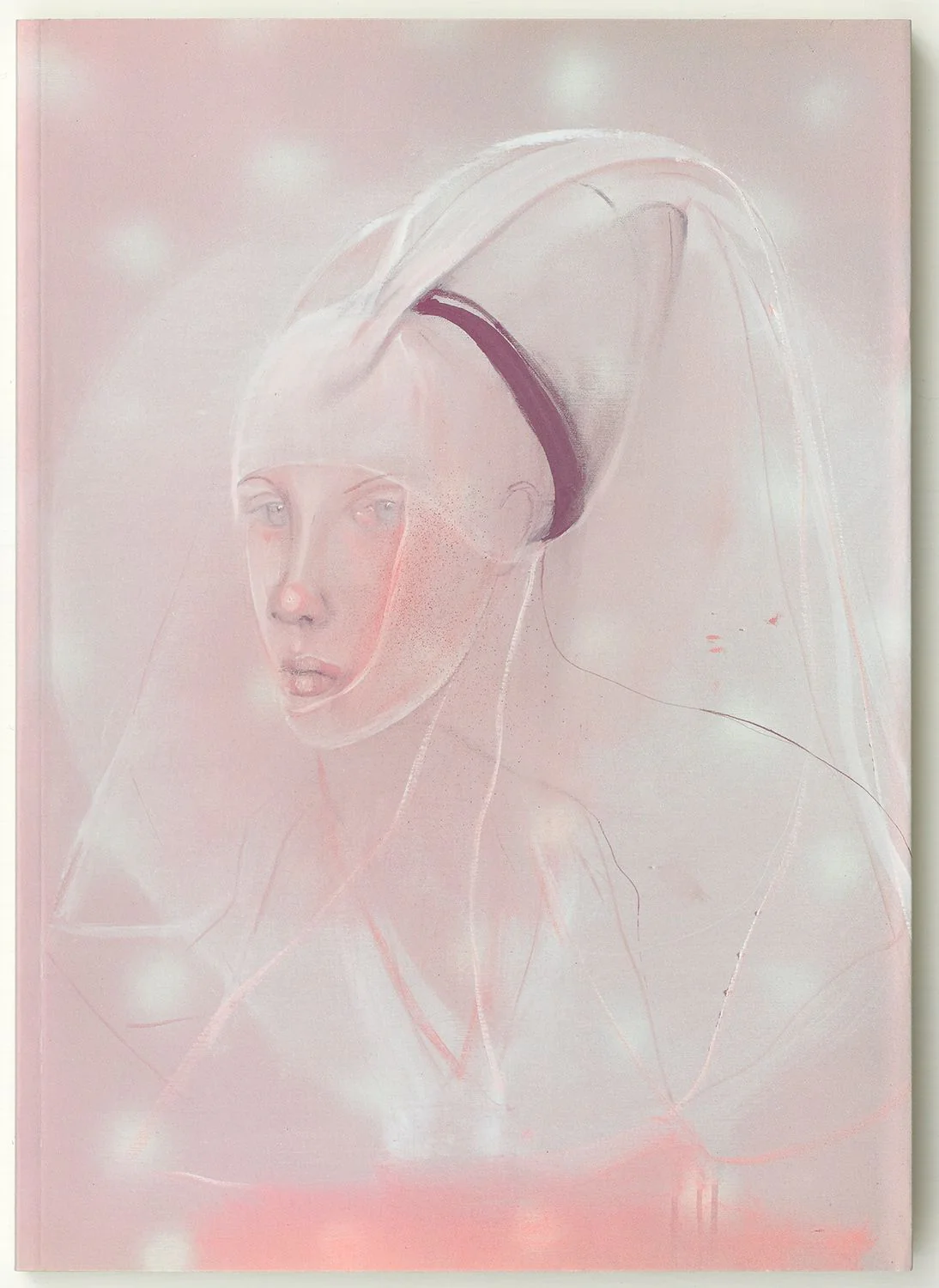
The exhibition Penelope’s Web, held at Martin Asbæk Gallery in Copenhagen in 2006, revolved around Cathrine Raben Davidsen’s fascination with the myth of Odysseus’ wife, Penelope, known from Homer’s Odyssey. Through this exhibition, the artist explored themes such as waiting, faithfulness, longing, and transformation—interpreted through a contemporary, aesthetic, and theatrical lens. Raben Davidsen wove connections between the mythical and the modern, creating a visual universe in which past and present intertwined. Penelope’s Web served as an artistic reflection on the timeless nature of storytelling and on the woman’s role as both creator and guardian of stories and identity.
The exhibition Penelope’s Web, held at Martin Asbæk Gallery in Copenhagen in 2006, revolved around Cathrine Raben Davidsen’s fascination with the myth of Odysseus’ wife, Penelope, known from Homer’s Odyssey. Through this exhibition, the artist explored themes such as waiting, faithfulness, longing, and transformation—interpreted through a contemporary, aesthetic, and theatrical lens. Raben Davidsen wove connections between the mythical and the modern, creating a visual universe in which past and present intertwined. Penelope’s Web served as an artistic reflection on the timeless nature of storytelling and on the woman’s role as both creator and guardian of stories and identity.
Description
The exhibition Penelope’s Web, held at Martin Asbæk Gallery in Copenhagen in 2006, revolved around Cathrine Raben Davidsen’s fascination with the myth of Odysseus’ wife, Penelope, known from Homer’s Odyssey. Through this exhibition, the artist explored themes such as waiting, faithfulness, longing, and transformation—interpreted through a contemporary, aesthetic, and theatrical lens. Raben Davidsen wove connections between the mythical and the modern, creating a visual universe in which past and present intertwined. Penelope’s Web served as an artistic reflection on the timeless nature of storytelling and on the woman’s role as both creator and guardian of stories and identity.